Currently Empty: 0.00 AED

0 Comments
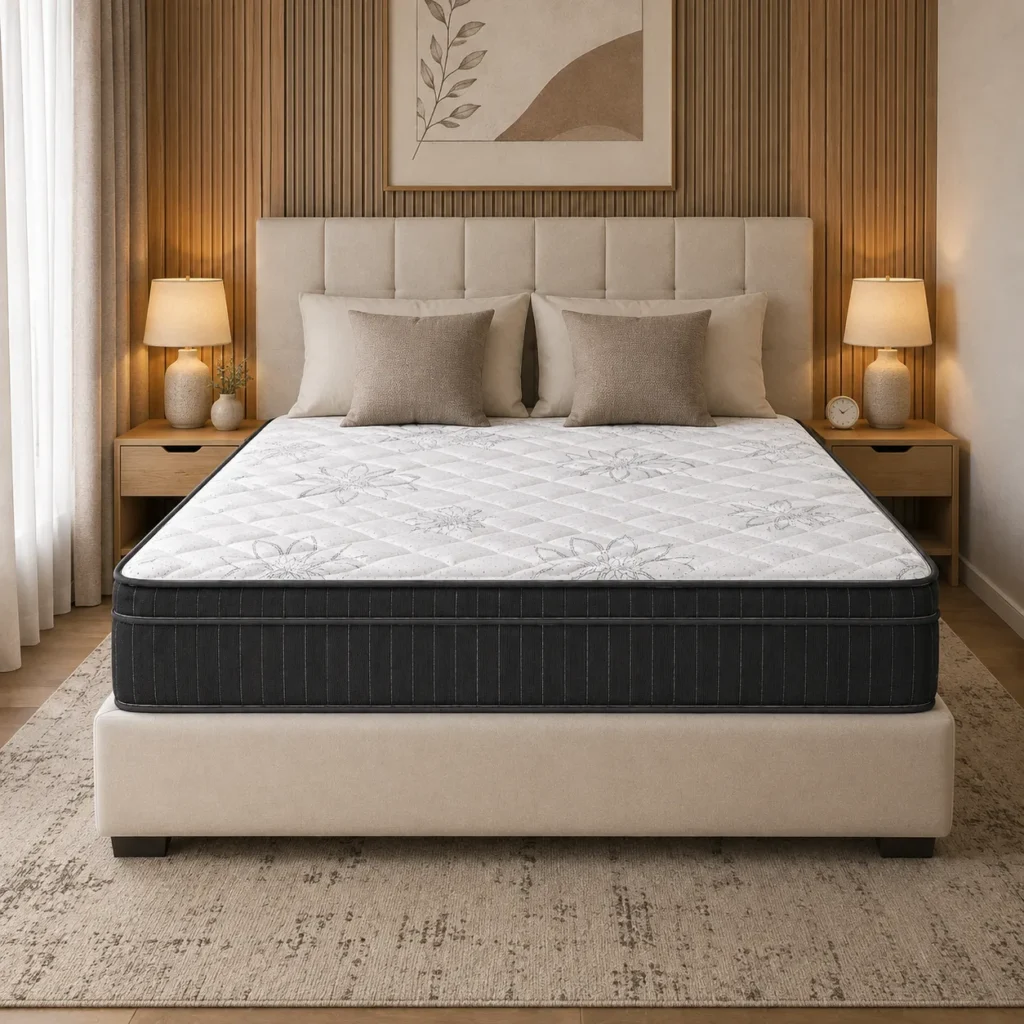
Table of Contents
hide
1
Home Furniture Design UAE: How to Create a Beautiful and Balanced Interior
Home Furniture Design UAE: How to Create a Beautiful and Balanced Interior
Quick Answer
Creating a beautiful home interior starts with choosing furniture that fits the room, complements the existing design, and supports the way you live. Home Furniture Design UAE should balance appearance, comfort, proportion, colour, materials, and functionality. Start by measuring each room, deciding on a design style, selecting a suitable colour palette, and choosing furniture according to the room’s purpose. A balanced interior does not require every furniture piece to match; instead, different pieces should work together through complementary colours, shapes, textures, materials, and proportions.
Introduction
Furniture has a major influence on the way a home looks and feels.
Walls, flooring, lighting, curtains, rugs, and decorative accessories all contribute to an interior, but furniture often provides the structure around which the rest of the room is designed.
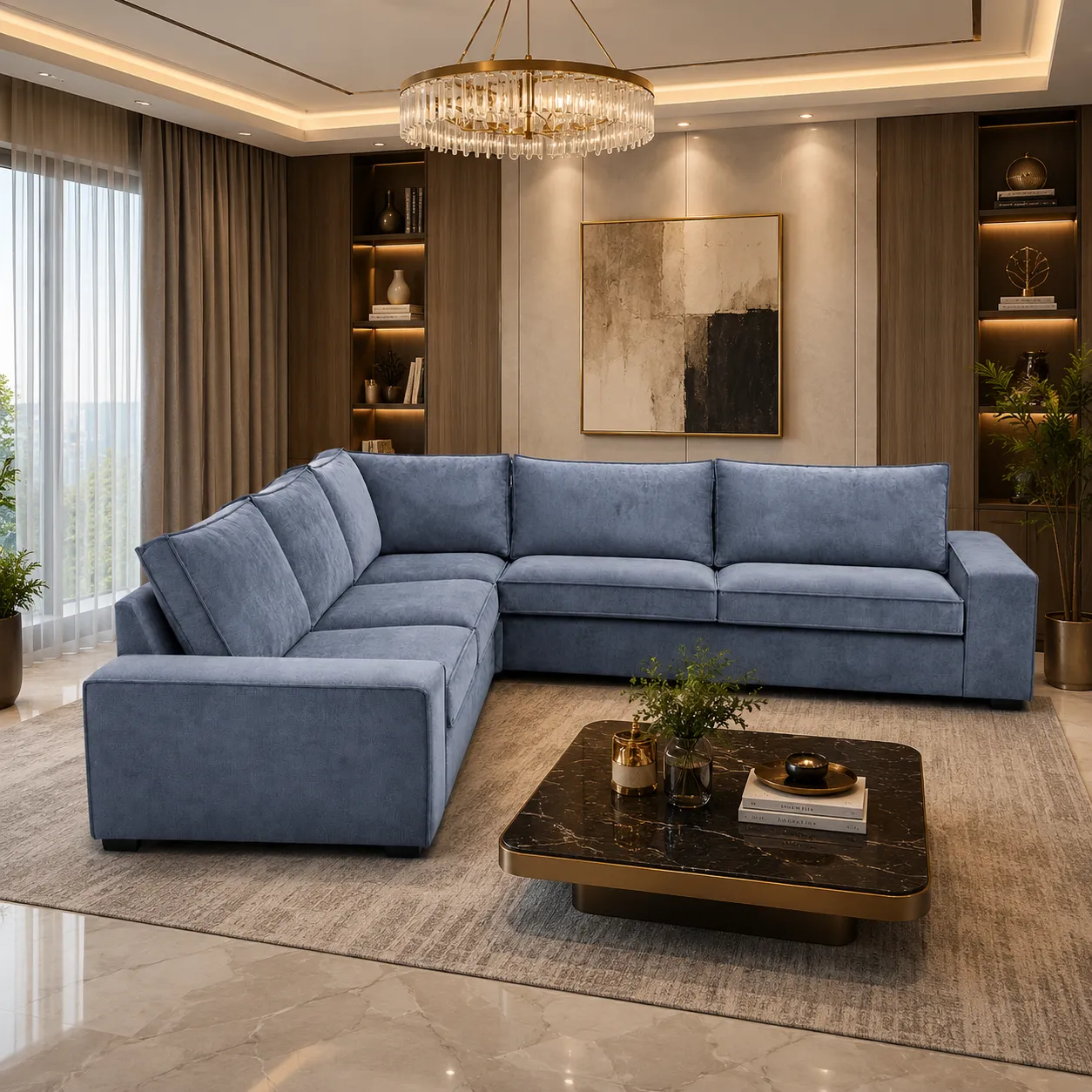
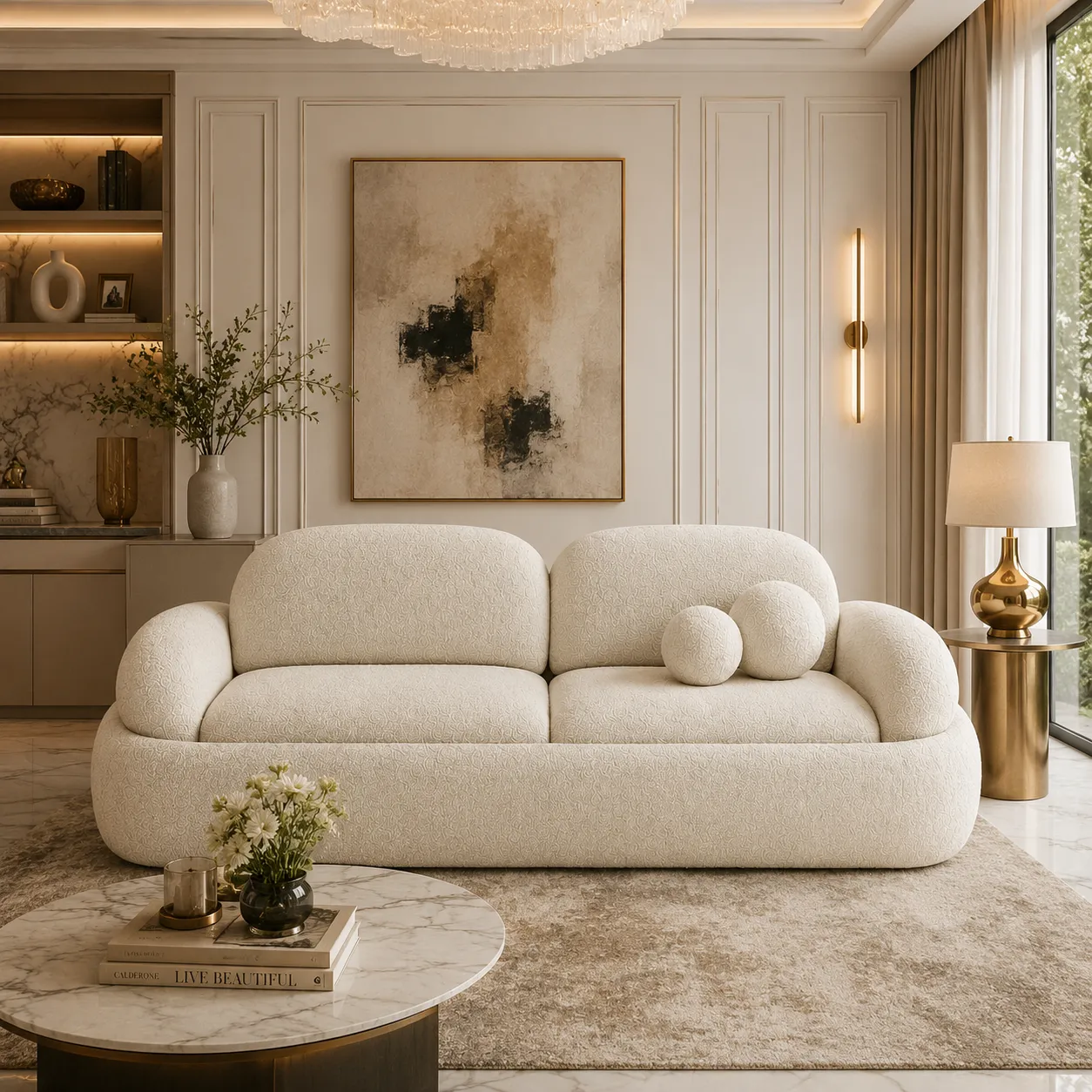
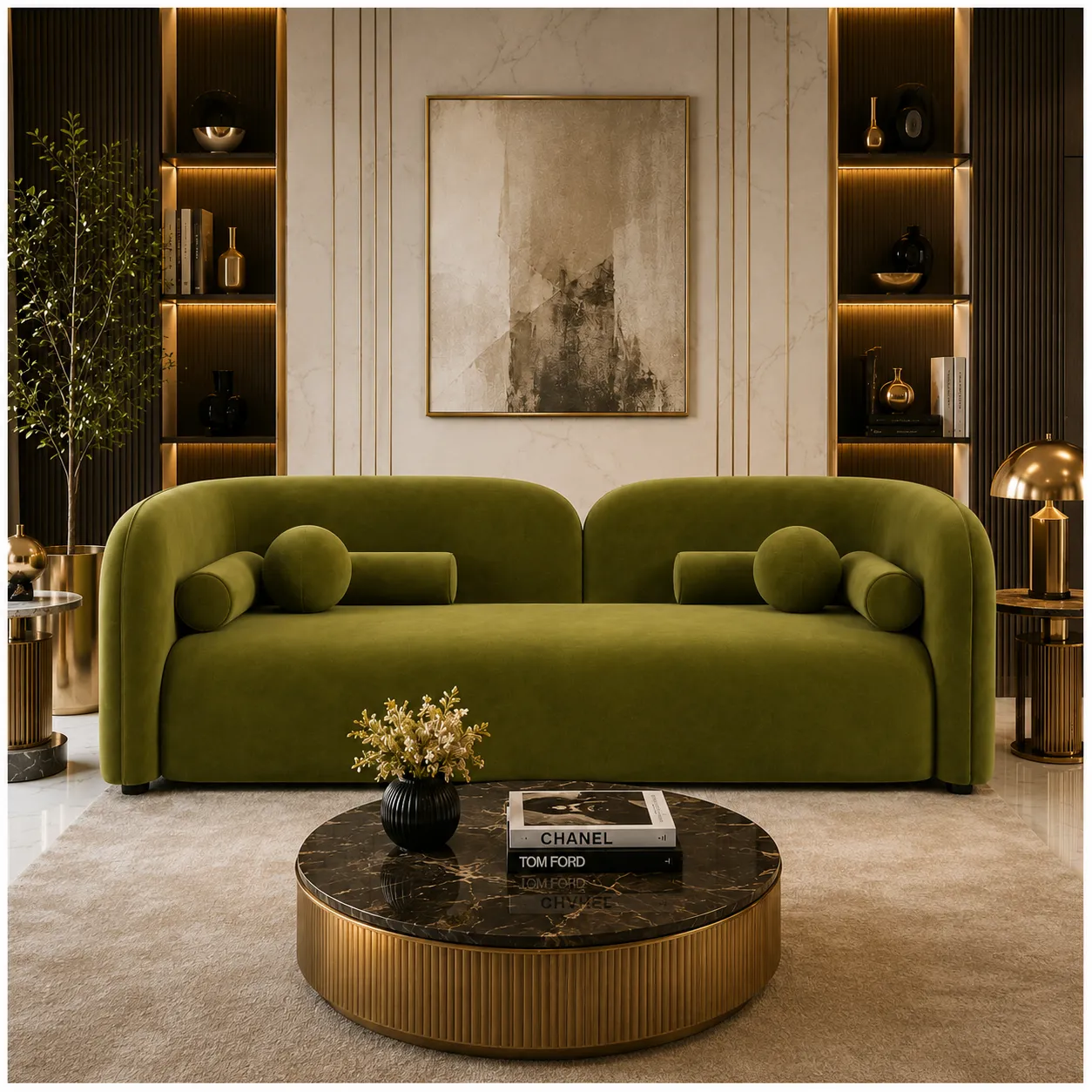
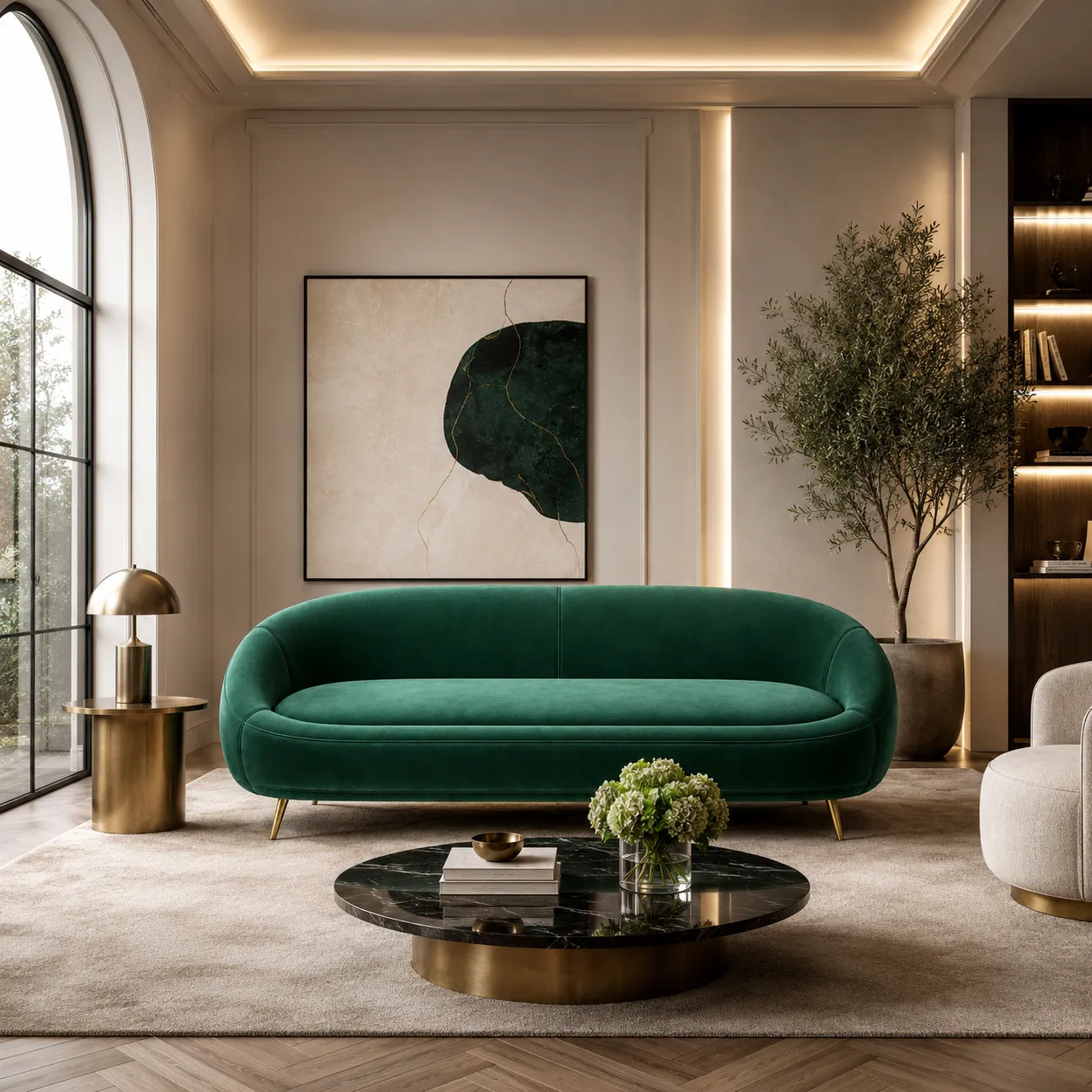
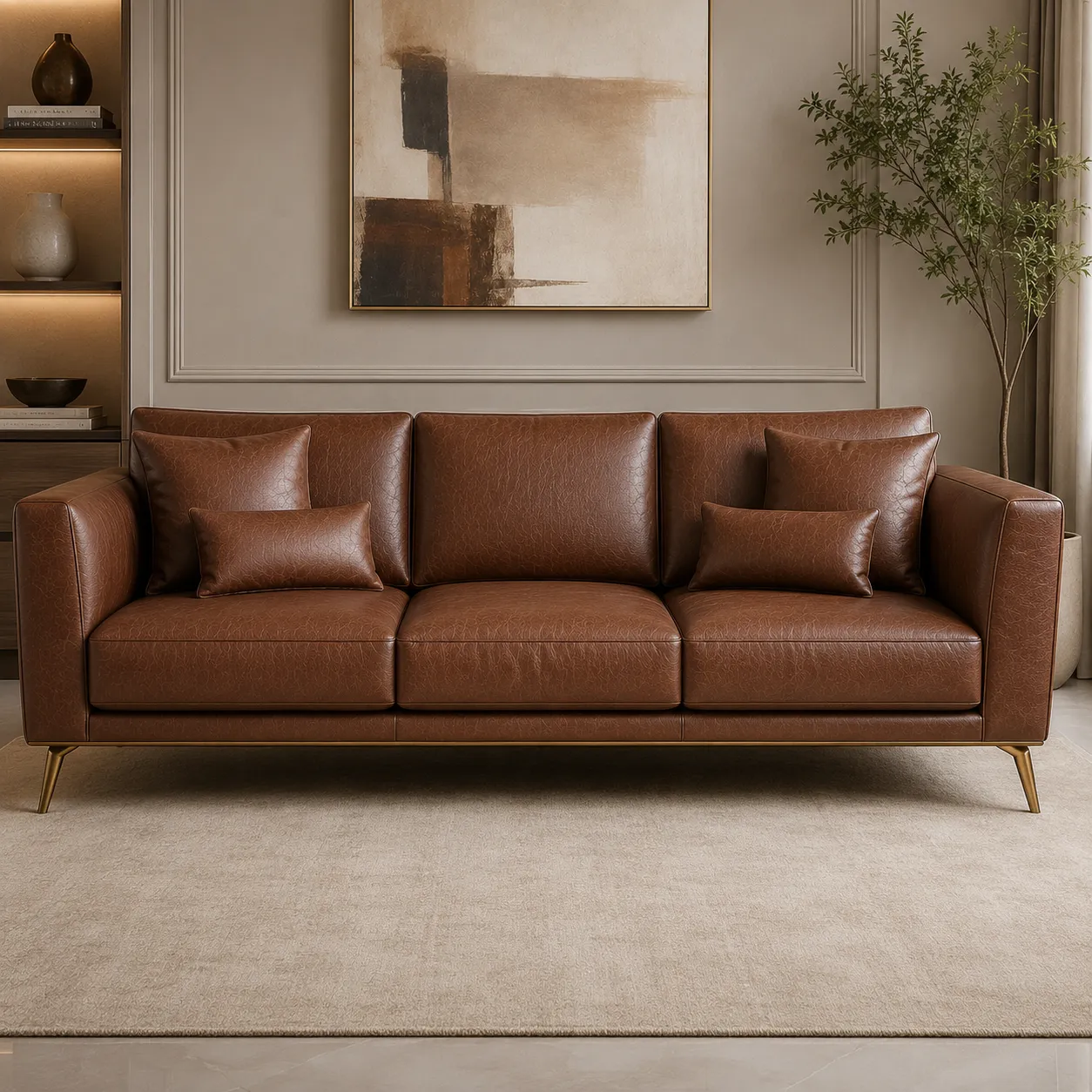
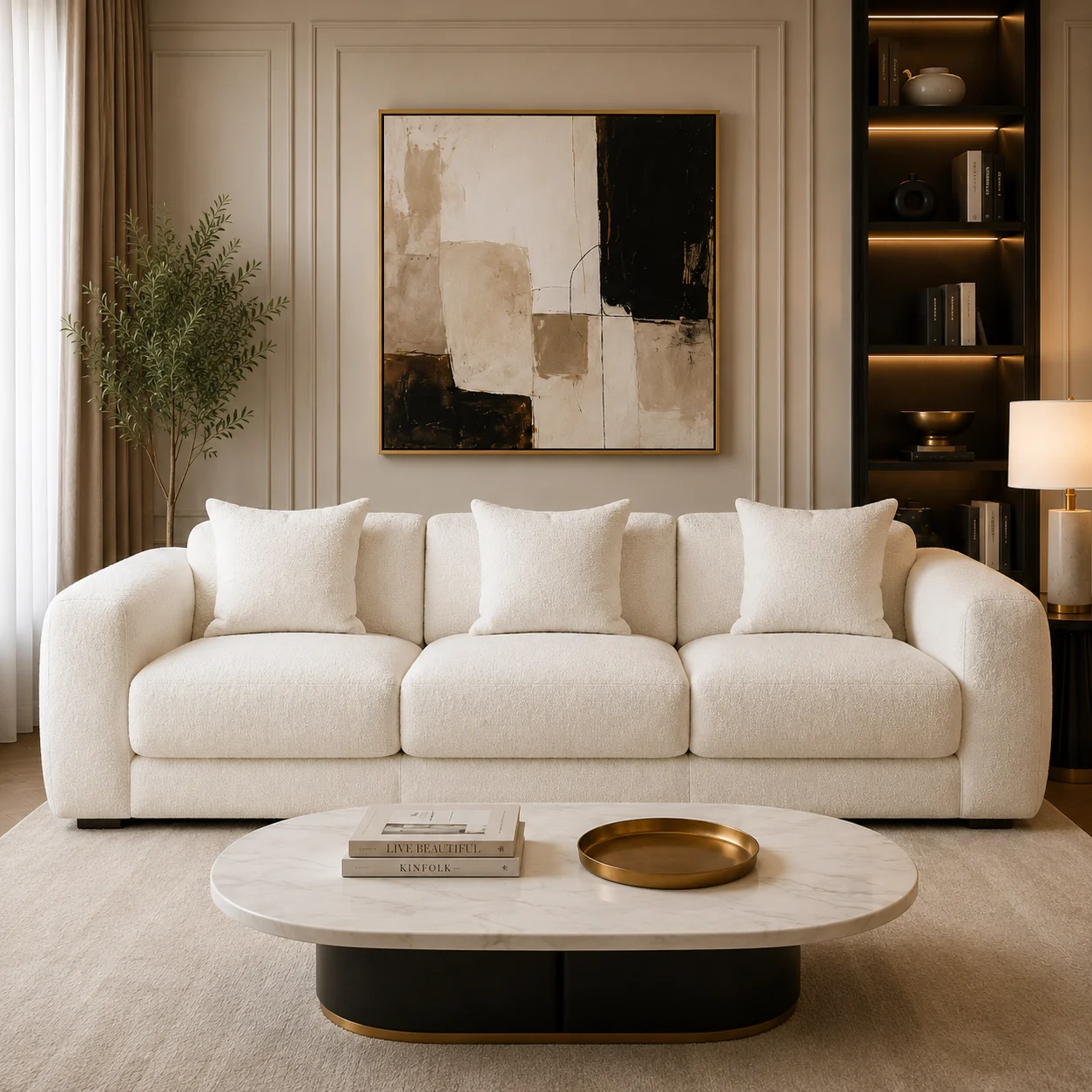
A sofa can establish the character of a living room.
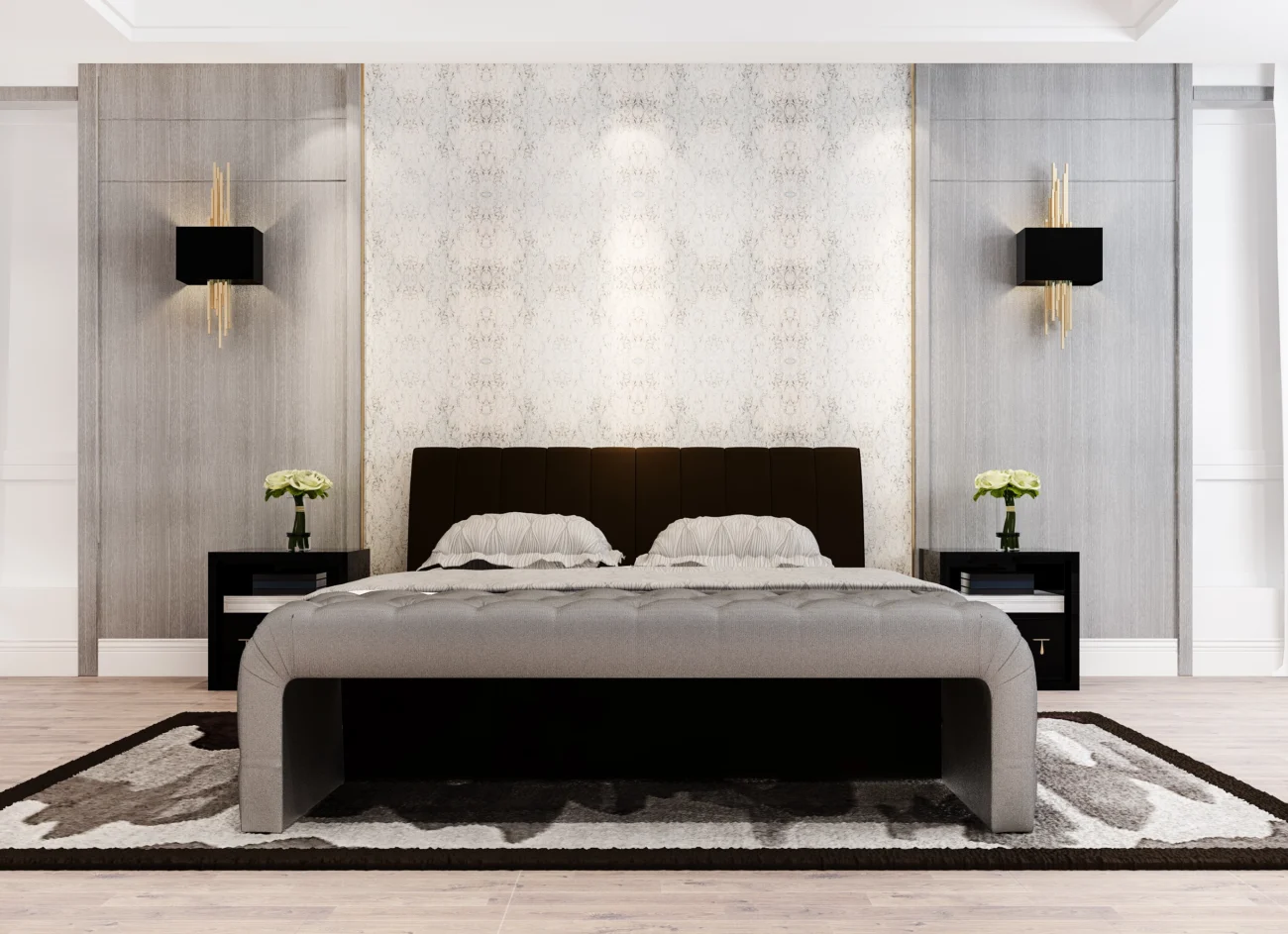
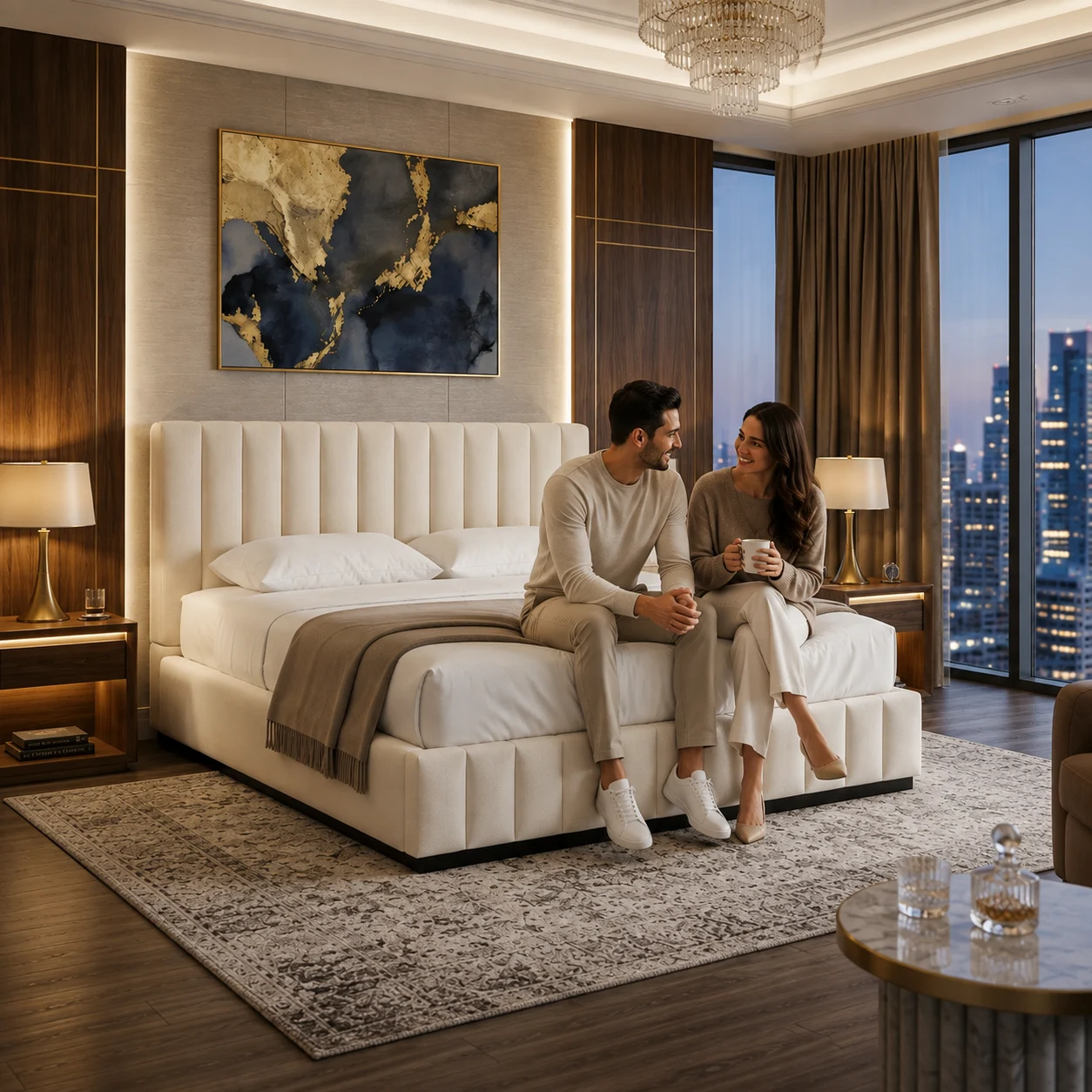
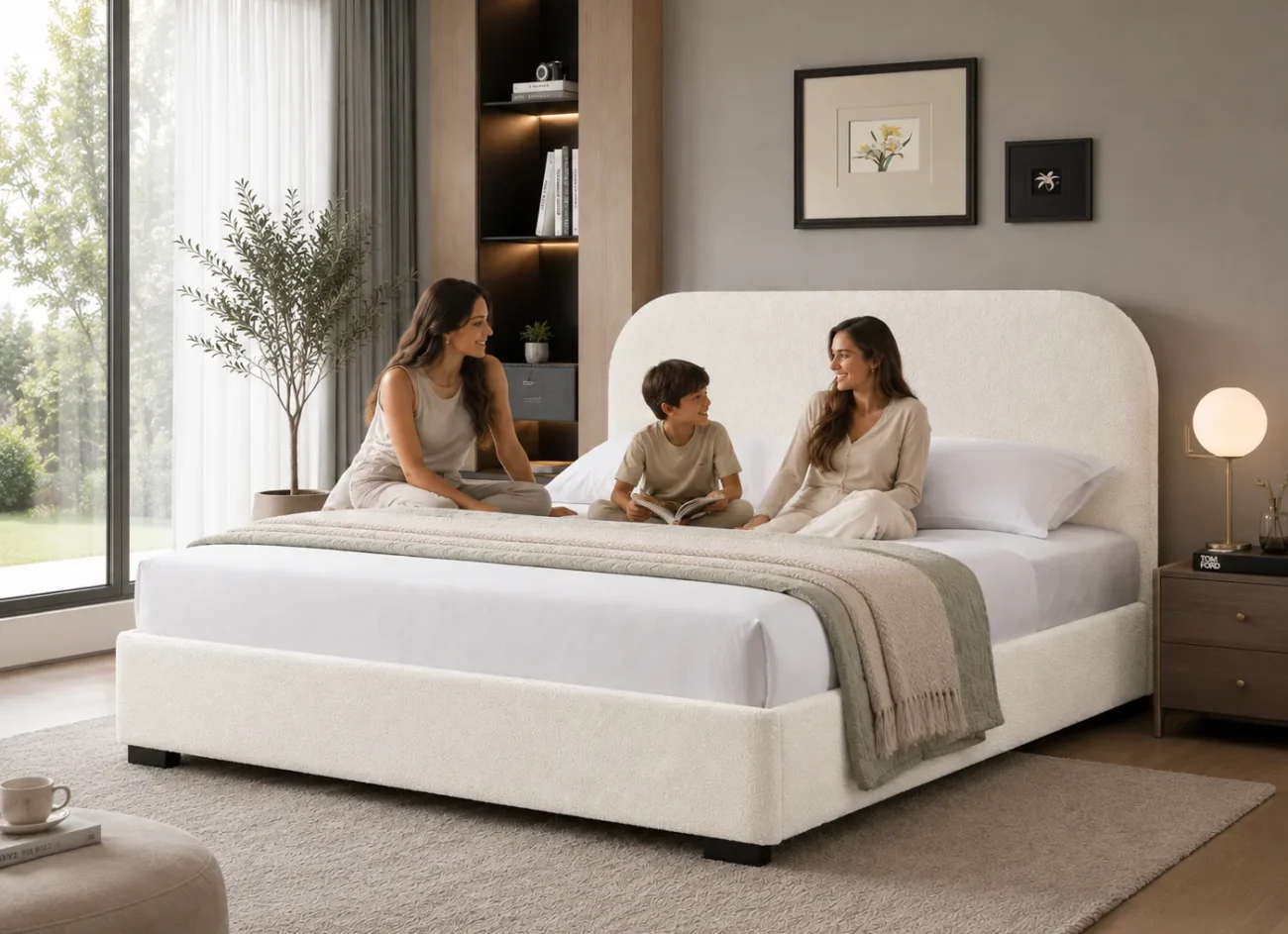
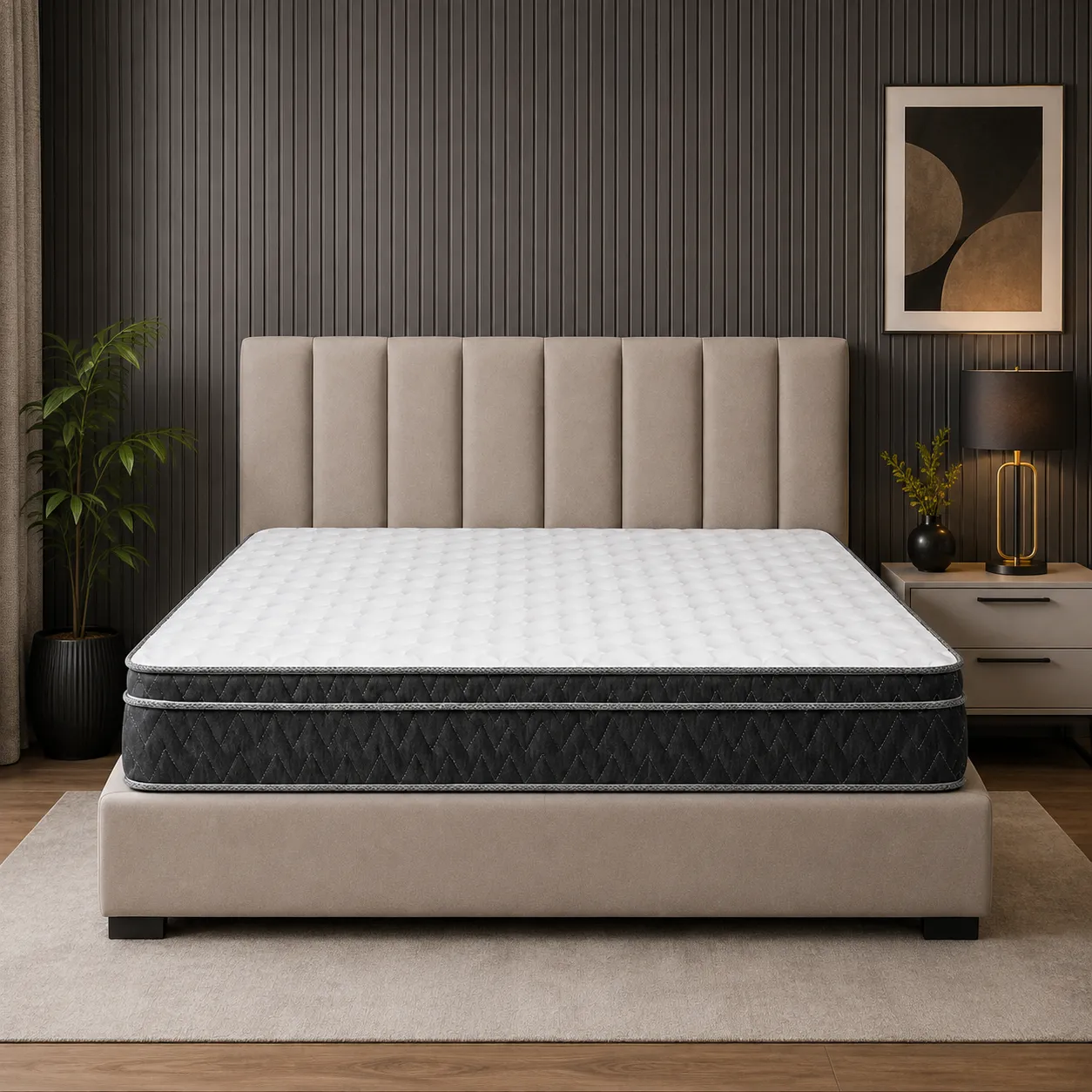
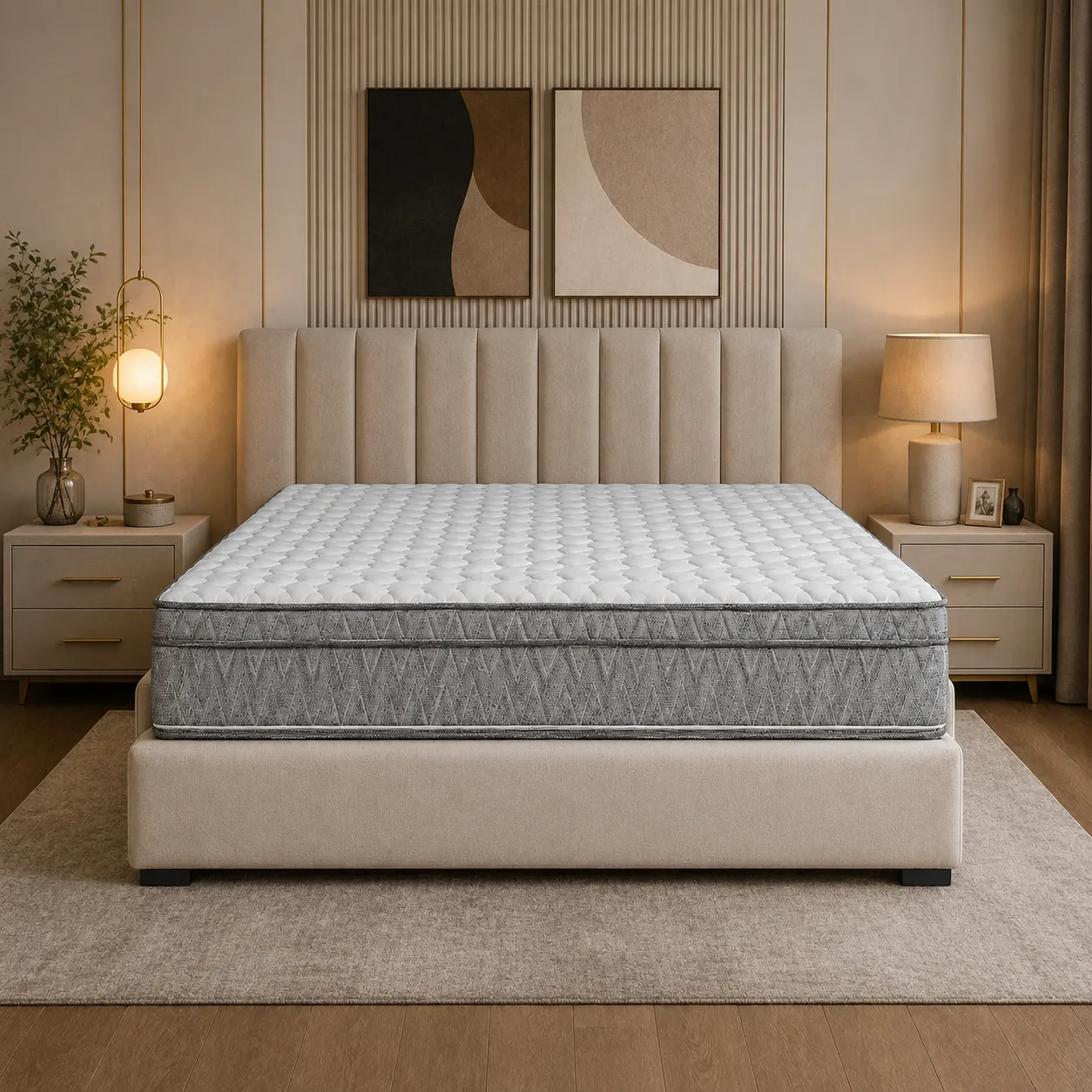
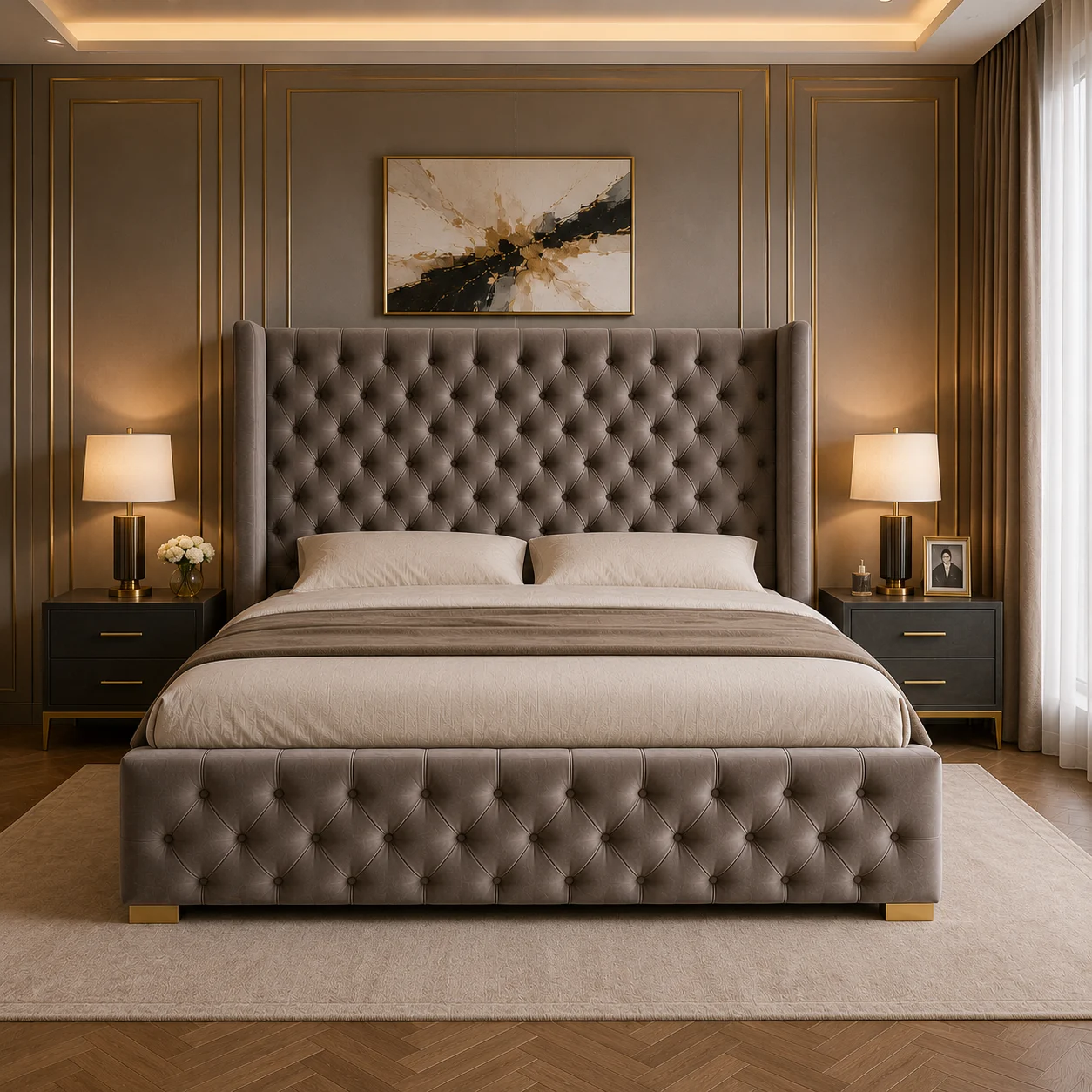
A bed can become the visual centre of a bedroom.
A dining table can define the dining area, while chairs and accent furniture can add additional layers of comfort and personality.
This makes furniture selection an important part of interior planning.
When considering Home Furniture Design UAE, homeowners often focus first on colour or appearance. However, creating a beautiful interior requires more than selecting attractive furniture.
Furniture needs to be appropriately sized.
It needs to work with the room.
It should provide the functionality required by the household.
And different furniture pieces should relate to one another visually.
A beautiful interior is usually not created by making every item identical.
Instead, balance can be created through relationships between furniture pieces.
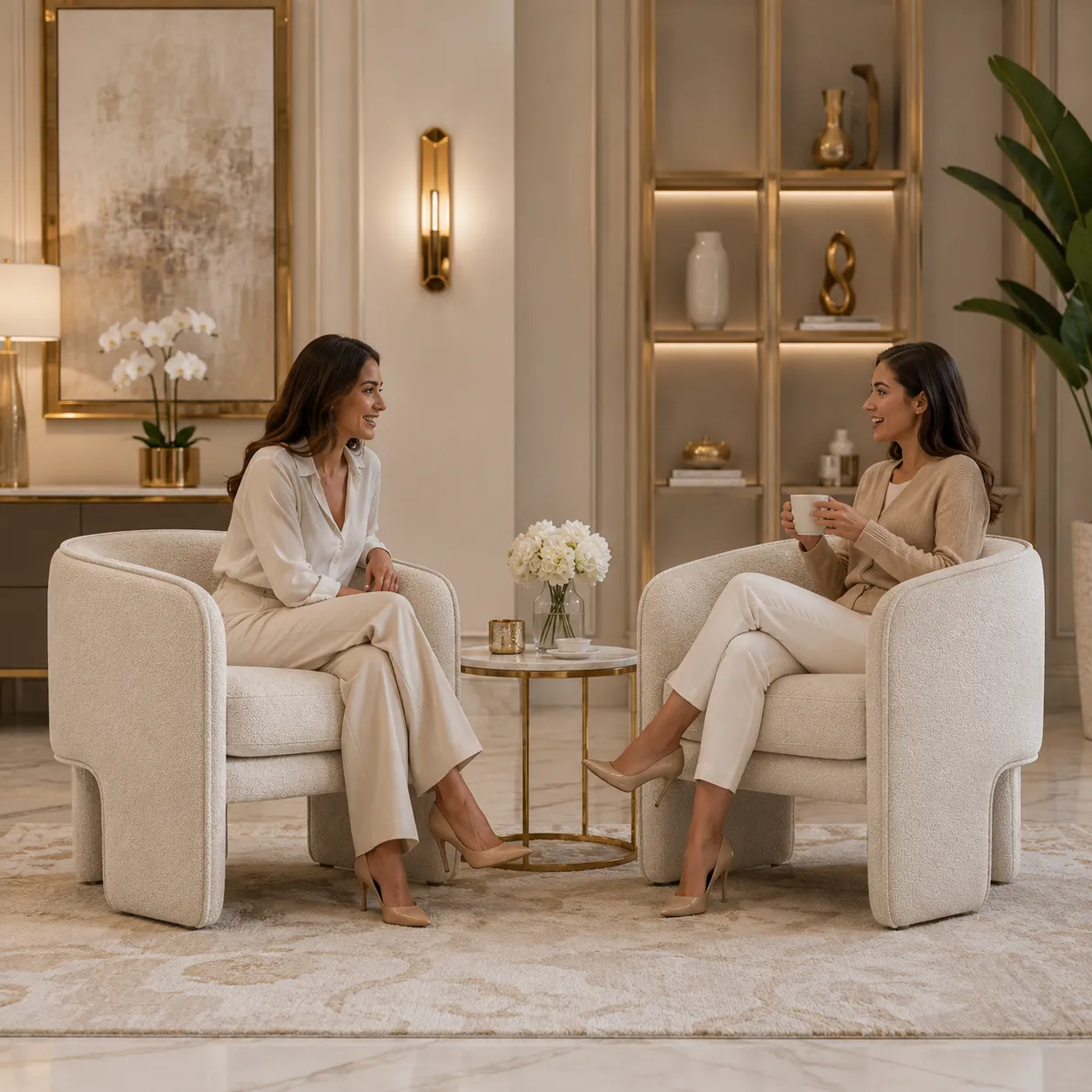
For example, a neutral sofa can be paired with a textured accent chair. A simple dining table can be complemented by upholstered dining chairs. A statement bed can be balanced with more understated bedside furniture.
These combinations create visual interest without making the room feel disconnected.
The UAE has a wide range of residential spaces, from compact city apartments to spacious villas. This means furniture design needs to respond to different room sizes, architectural styles, lifestyles, and personal preferences.
A furniture arrangement that works beautifully in a large villa may not be suitable for a compact apartment.
Similarly, a minimalist furniture arrangement may not appeal to someone who prefers a more luxurious or decorative interior.
Therefore, there is no single formula for creating the perfect home.
The better approach is to understand the principles of furniture design and then adapt them to your own space.
What Is Home Furniture Design UAE?
Home Furniture Design UAE refers to the way furniture is selected, arranged, coordinated, and integrated into residential interiors in the UAE.
It involves more than choosing individual furniture products.
It considers how different elements work together.
These elements can include:
- Furniture shapes
- Furniture proportions
- Colours
- Materials
- Upholstery
- Textures
- Room dimensions
- Furniture placement
- Lighting
- Interior style
- Functionality
The goal is to create a space that looks cohesive while remaining comfortable and practical.
Why Furniture Design Matters
Furniture can affect the overall mood in a room.
The same room can feel completely different depending on the furniture selected.
For example, furniture with clean lines and neutral upholstery can create a calm contemporary appearance.
Furniture with richer materials, decorative details, and deeper colours can create a more traditional or luxurious atmosphere.
Furniture also affects how people move through a room.
A sofa positioned incorrectly can obstruct movement.
A dining table that is too large can make the dining area feel crowded.
A bed that is too large for the bedroom can reduce useful floor space.
Therefore, good furniture design combines visual appeal with practical planning.
Start With the Room, Not the Furniture
One of the most useful principles of furniture planning is to understand the room before selecting the furniture.
Measure:
- Room length
- Room width
- Ceiling height where relevant
- Door positions
- Windows
- Existing built-in furniture
- Walking paths
- Electrical points
Then consider what furniture the room actually needs.
This prevents a common problem: buying furniture first and trying to force it into the room later.
Understand the Purpose of Each Room
Every room has a primary function.
Living Room
Usually designed for:
- Relaxation
- Conversation
- Entertainment
- Family activities
- Hosting guests
Bedroom
Primarily designed for:
- Sleeping
- Relaxation
- Personal storage
- Private seating where space allows
Dining Room
Designed for:
- Meals
- Conversations
- Family gatherings
- Entertaining
Home Office
Designed for:
- Working
- Studying
- Reading
- Organising work materials
Furniture should support the purpose of the room rather than simply occupy available space.
The Importance of Proportion
Proportion is one of the most important principles in Furniture Design UAE.
Furniture should relate to the size of the room and to other furniture pieces.
For example, a large sofa may look appropriate in a spacious living room but overwhelming in a compact apartment.
Likewise, a very small coffee table may look disconnected from a large seating arrangement.
Think about:
- Sofa size vs room size
- Bed size vs bedroom size
- Dining table vs dining area
- Chair size vs sofa
- Coffee table vs seating arrangement
Balanced proportions can make a room feel more comfortable and visually organised.
Create a Furniture Plan Before Buying
Before purchasing multiple furniture pieces, create a simple plan.
You don’t need professional design software.
You can start with:
- Room measurements
- Furniture measurements
- Approximate furniture placement
- Walking paths
- Main focal point
Think about how people will enter and move through the room.
This is especially useful for larger furniture such as sofas, beds, dining tables, and accent seating.
If you’re planning your furniture collection, explore Ansary Furniture for sofas, beds, mattresses, chairs, dining furniture, and accent benches designed for different UAE home interiors.
Understanding Furniture Styles UAE
There are many different Furniture Styles UAE homeowners can consider.
The best style depends on the architecture of the home, personal taste, and desired atmosphere.
Modern Furniture
Modern furniture commonly features:
- Clean lines
- Simple silhouettes
- Minimal decoration
- Functional forms
- Neutral or controlled colour palettes
It can work particularly well in contemporary apartments and villas.
Contemporary Furniture UAE
Contemporary Furniture UAE often focuses on current design trends while maintaining practical proportions and clean aesthetics.
Contemporary furniture may combine:
- Soft curves
- Neutral colours
- Textured fabrics
- Modern materials
- Simplified shapes
The exact appearance can vary considerably, which gives homeowners flexibility.
Classic Furniture
Classic furniture can include:
- Traditional silhouettes
- Decorative details
- Rich materials
- More formal proportions
It can work well in homes with traditional architectural elements.
Minimalist Furniture
Minimalist furniture focuses on simplicity.
The idea is not necessarily to make a room empty.
Instead, it focuses on selecting fewer pieces and giving each piece a clear purpose.
Choosing a Furniture Style for Your Home
Before selecting a style, consider your home’s architecture.
A modern apartment may naturally complement contemporary furniture.
A villa with traditional architectural details may work well with classic or transitional furniture.
However, you don’t have to follow a single style throughout the entire home.
You can create a cohesive interior by repeating certain elements such as:
- Colour
- Materials
- Finishes
- Shapes
- Textures
Furniture Design Ideas UAE
When looking for Furniture Design Ideas UAE, start with practical concepts rather than copying an entire room from a photograph.
Idea 1: Create a Focal Point
Choose one major furniture piece as the visual centre of the room.
For example:
- Statement sofa
- Upholstered bed
- Dining table
- Accent chair
Then keep supporting furniture balanced.
Idea 2: Mix Textures
Having different textures can make a room interesting.
You can combine:
- Smooth surfaces
- Upholstered furniture
- Textured fabrics
- Wood
- Metal
- Glass
The goal is to create variation without visual chaos.
Idea 3: Use Accent Furniture
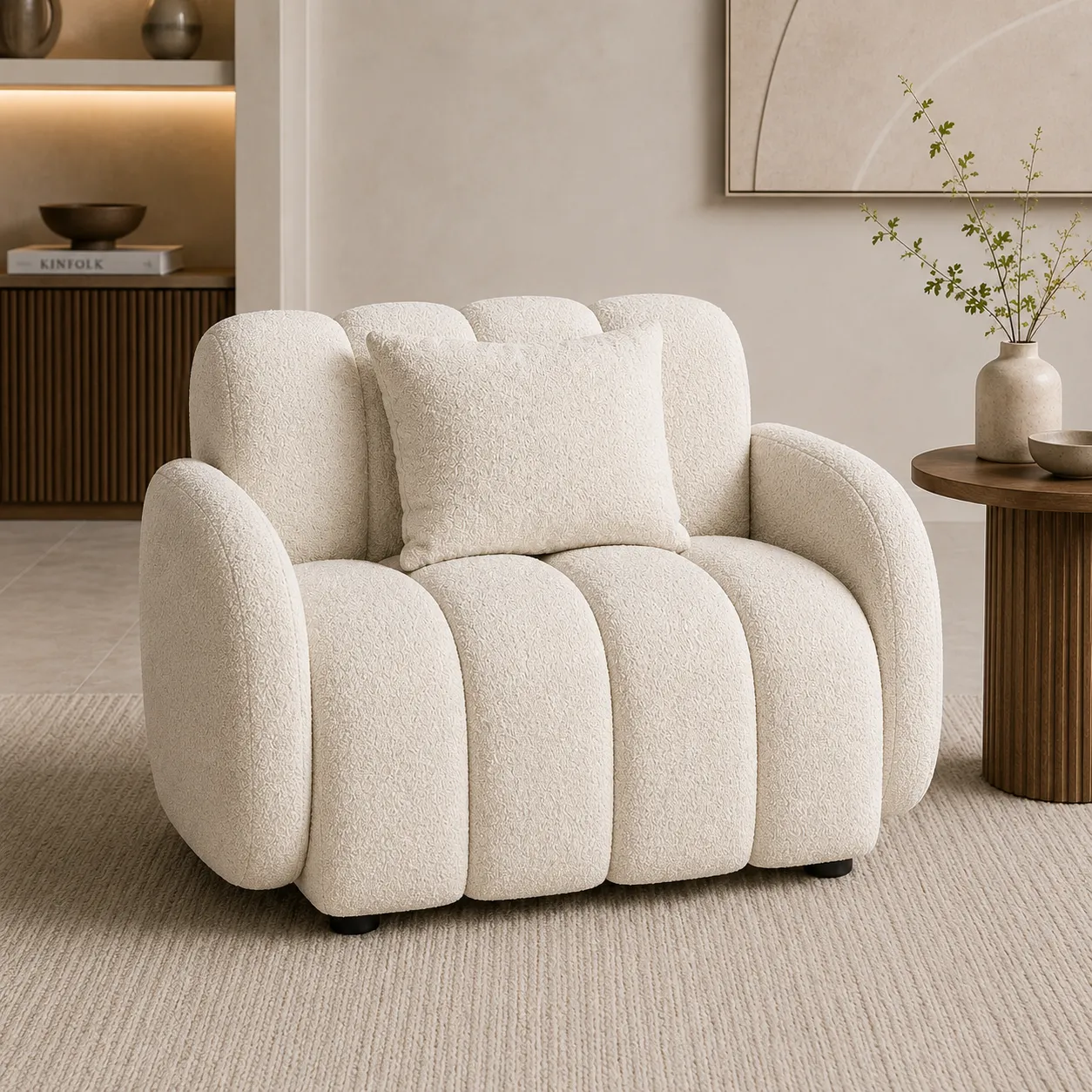
An accent chair or bench can introduce a different colour or texture.
It can also fill an empty area without requiring a complete furniture redesign.
Idea 4: Keep Walking Space Clear
Furniture should support the room rather than obstruct it.
Always maintain comfortable paths between major furniture pieces.
Stylish Furniture Design UAE
Stylish Furniture Design UAE doesn’t necessarily mean choosing complicated or highly decorative furniture.
Style can come from:
- Good proportions
- Quality-looking upholstery
- Balanced colours
- Interesting textures
- Appropriate shapes
- Consistent finishing
A simple sofa with excellent proportions can look more sophisticated than an overly decorative sofa that doesn’t suit the room.
Choosing a Colour Palette
Colour is an important part of furniture design.
You can start with a simple palette.
Neutral Base
Use colours such as:
- Beige
- Cream
- Grey
- White
- Soft brown
These can provide flexibility.
Secondary Colour
Introduce a complementary colour through:
- Accent chairs
- Cushions
- Rugs
Accent Colour
A stronger colour can be used sparingly to create visual interest.
How to Mix Furniture Colours
Furniture doesn’t need to be the same colour.
Instead, use relationships between colours.
For example:
A neutral sofa can work with a darker accent chair.
A wooden dining table can work with upholstered chairs.
A neutral bed can be complemented by textured cushions and a bench.
The important thing is that the colours feel intentional rather than random.
Furniture Materials and Textures
Materials can add depth to a room.
Wood
Creates warmth and natural character.
Metal
Can introduce a modern or industrial element.
Fabric
Adds softness and comfort.
Velvet
Can create a richer visual texture.
Bouclé
Can add a distinctive tactile appearance.
Glass
Can create a lighter visual effect in some furniture designs.
Using a combination of materials can prevent a room from looking flat.
Home Interior Furniture UAE
Home Interior Furniture UAE should be selected according to both aesthetics and practical requirements.
For example:
Living Room
Focus on:
Bedroom
Focus on:
Dining Area
Focus on:
- Dining table
- Dining chairs
- Supporting furniture where required
The furniture should create a complete room rather than appear as unrelated individual products.
Modern Furniture Design UAE
Modern Furniture Design UAE can work particularly well when homeowners want clean and organised interiors.
Look for:
- Simple forms
- Balanced proportions
- Minimal detailing
- Practical layouts
- Neutral or controlled colours
Modern doesn’t mean everything has to be plain.
Texture, curves, upholstery, and carefully selected accent pieces can add personality.
Living Room Furniture Design
The living room is usually the most visible room in a house.
Start with the sofa because it is usually the largest furniture element.
Then consider supporting pieces.
Position the Sofa
Place the sofa according to the room’s focal point.
This could be:
- TV
- Window
- Architectural feature
- Conversation area
Add Supporting Seating
Add chairs where additional seating is required.
Consider the Coffee Table
The table should relate proportionally to the seating arrangement.
Maintain Walking Space
Avoid placing furniture where it blocks natural movement.
Bedroom Furniture Design
The bed is usually the visual centre of a bedroom.
Choose the bed according to:
- Room dimensions
- Mattress requirements
- Desired style
- Headboard preference
- Walking space
Then add supporting furniture.
Avoid overcrowding the room.
A bedroom can feel more sophisticated when there is sufficient open space around the main furniture.
Dining Room Furniture Design
The dining table should be selected according to:
- Number of users
- Room dimensions
- Preferred shape
- Seating requirements
Dining chairs should complement the table without necessarily being identical.
Consider:
- Colour
- Upholstery
- Height
- Shape
- Material
Home Office Furniture Design
A home office should be practical first.
Consider:
- Desk
- Chair
- Storage
- Lighting
- Electrical access
Choose furniture that allows you to work comfortably without creating unnecessary clutter.
Apartment Furniture Design
Apartments often benefit from careful furniture planning.
Tips:
- Measure everything.
- Choose proportional furniture.
- Avoid oversized pieces.
- Maintain walking space.
- Use multifunctional furniture where appropriate.
- Use lighter visual elements where useful.
Don’t assume that every small room requires tiny furniture.
The goal is balance rather than simply minimising furniture size.
Villa Furniture Design
Large villas offer more flexibility.
You can consider:
- Larger sofas
- Multiple seating areas
- Statement beds
- Larger dining tables
- Accent furniture
However, large rooms still need planning.
Create defined zones instead of spreading furniture randomly across a large space.
How to Create Balance
Balance doesn’t mean everything needs to be symmetrical.
There are two common approaches.
Symmetrical Balance
Furniture is arranged in a visually mirrored way.
For example:
Two chairs placed on either side of a central table.
This can create a formal appearance.
Asymmetrical Balance
Different furniture pieces create visual balance through their size, colour, shape, or position.
For example:
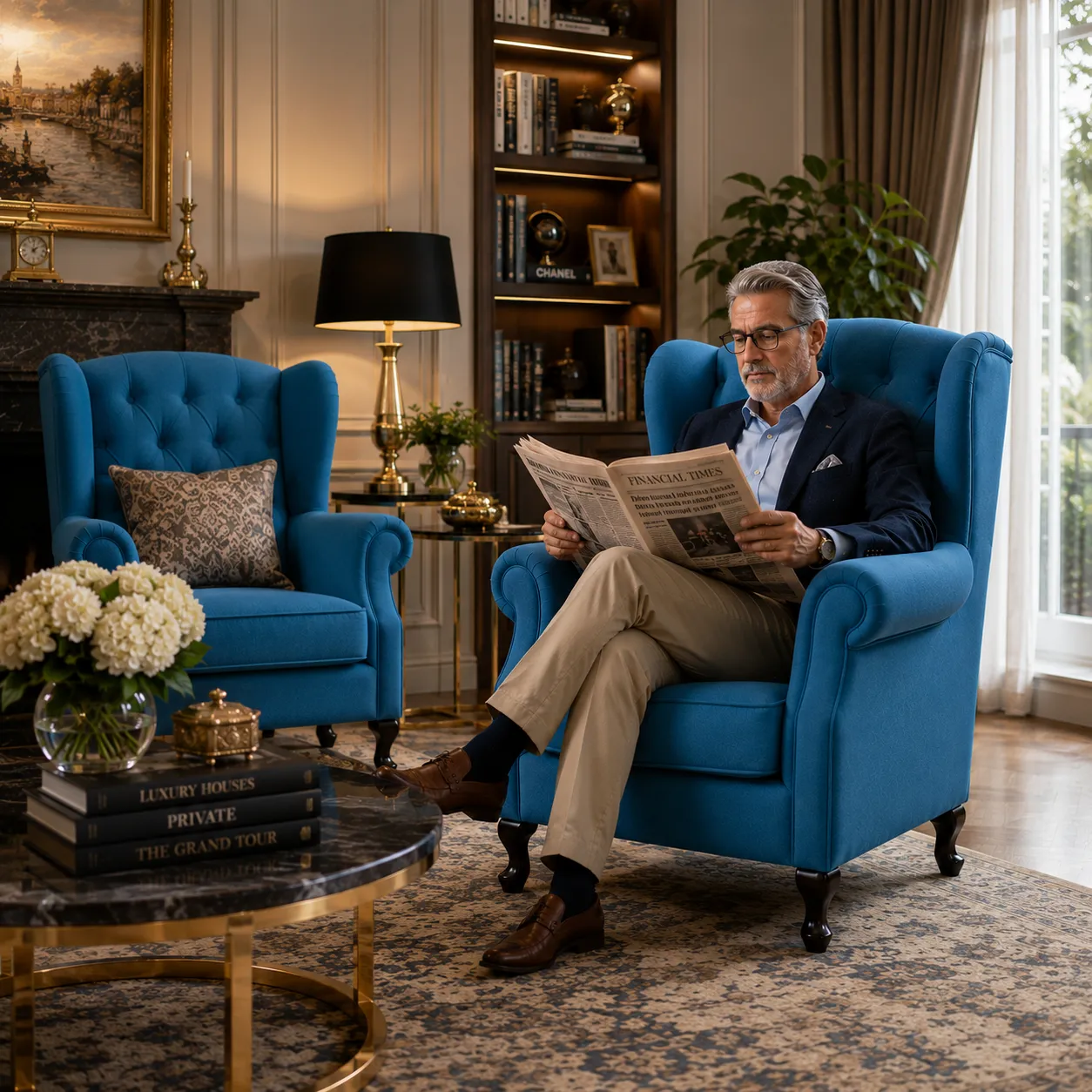
A large sofa can be balanced by two smaller chairs.
Both approaches can work.
How to Create Visual Harmony
Harmony comes from repeating certain design elements.
For example, repeat:
- A colour
- A material
- A shape
- A texture
- A finish
If a particular wood tone appears in the living room, it can be repeated in another area.
This creates continuity throughout the home.
Don’t Over-Furnish the Room
One of the most common furniture design mistakes is adding too much furniture.
More furniture does not automatically mean a better interior.
Too many pieces can:
- Reduce walking space
- Make the room feel crowded
- Hide architectural features
- Reduce visual clarity
Give important furniture pieces enough room to breathe.
Choosing Furniture According to Lifestyle
Design should support real life.
If you have children, practical furniture may be important.
If you frequently entertain guests, seating capacity matters.
If you prefer quiet spaces, comfortable lounge furniture may be a priority.
If you work from home, functionality becomes essential.
Your interior should look good and work for you.
Common Furniture Design Mistakes
Buying Furniture Without Measuring
Always measure before purchasing.
Matching Everything Exactly
Identical furniture can make a room feel flat.
Choosing Furniture That Is Too Large
Large furniture can overwhelm smaller rooms.
Ignoring Walking Space
Furniture should allow comfortable movement.
Using Too Many Colours
A controlled colour palette usually creates greater harmony.
Following Trends Blindly
Choose furniture that suits your long-term preferences.
Ignoring Comfort
A beautiful room still needs to be comfortable.
If you’re looking for furniture to bring your interior design plan together, explore Ansary Furniture for sofas, beds, mattresses, chairs, dining furniture, and accent benches.
Furniture Style Guide UAE
Use this Furniture Style Guide UAE when deciding which direction to take.
| Style | Main Characteristics | Suitable For |
| Modern | Clean lines, simple forms | Contemporary homes |
| Contemporary | Current shapes, textures, refined details | Apartments & villas |
| Classic | Decorative details, traditional forms | Traditional interiors |
| Minimalist | Simple, functional, uncluttered | Smaller & modern homes |
| Transitional | Combination of classic & modern | Flexible interiors |
You don’t have to follow one style perfectly.
Mixing styles can work when colours, materials, and proportions are coordinated.
UAE Furniture Design Ideas
When exploring UAE Furniture Design Ideas, think about how the local home environment and your own lifestyle influence your choices.
Use Comfortable Upholstery
Choose upholstery according to everyday use and maintenance requirements.
Combine Neutral and Accent Colours
Neutral furniture can provide a flexible base while accent pieces introduce personality.
Use Different Textures
Mix fabric, wood, metal, and other materials to create depth.
Create Defined Seating Areas
Large rooms can benefit from clearly organised seating zones.
Keep the Interior Practical
Design should support everyday living rather than simply look good in photographs.
Step-by-Step Home Furniture Design Guide
Measure Your Home
Record room dimensions and access points.
Identify Your Style
Choose a general direction.
Select the Main Furniture
Start with the largest pieces.
Choose Supporting Furniture
Add chairs, tables, benches, and other required pieces.
Select Colours
Create a controlled palette.
Add Texture
Use upholstery, rugs, cushions, curtains, and other elements.
Check Proportions
Make sure furniture relates well to the room.
Review Movement
Walk through the room and check whether furniture blocks any natural paths.
Remove Unnecessary Pieces
If the room feels crowded, consider removing rather than adding.
Frequently Asked Questions
1. What is Home Furniture Design UAE?
Home Furniture Design UAE involves selecting and arranging furniture according to room size, lifestyle, functionality, materials, colours, proportions, and interior style for homes in the UAE.
2. Why is Furniture Design UAE important?
Furniture Design UAE is important because furniture influences both the appearance and functionality of a home. Properly selected furniture can create better balance and more comfortable spaces.
3. What is Modern Furniture Design UAE?
Modern Furniture Design UAE generally focuses on clean lines, practical forms, simple silhouettes, and contemporary materials.
4. What is Contemporary Furniture UAE?
Contemporary Furniture UAE refers to furniture influenced by current design approaches, often combining clean forms, textures, modern materials, and refined details.
5. How do I choose between different Furniture Styles UAE?
Consider your home’s architecture, personal taste, existing furniture, preferred colours, and the atmosphere you want to create.
6. Where can I find Furniture Design Ideas UAE?
Start by looking at different room layouts, furniture proportions, colour combinations, materials, and furniture arrangements. Then adapt ideas to your own home’s dimensions.
7. What makes Stylish Furniture Design UAE?
Good proportions, coordinated colours, attractive materials, balanced shapes, suitable textures, and thoughtful furniture placement can all contribute to a stylish interior.
8. What is Home Interior Furniture UAE?
Home Interior Furniture UAE refers to furniture selected for residential spaces such as living rooms, bedrooms, dining areas, home offices, and other parts of the home.
9. Why do I need a Furniture Style Guide UAE?
A Furniture Style Guide UAE can help you understand different furniture styles and decide which approach is most appropriate for your home.
10. What are some UAE Furniture Design Ideas for apartments?
Use appropriately sized furniture, maintain clear walking paths, choose a controlled colour palette, and avoid overcrowding the room.
11. How can I create balance with furniture?
Balance furniture through size, colour, shape, position, and visual weight. You can use either symmetrical or asymmetrical arrangements.
12. Does all furniture need to match?
No. Furniture can be different while still looking coordinated. Use common colours, materials, shapes, or textures to create visual connections.
13. How do I choose furniture for a large villa?
Start with the room dimensions and create defined furniture zones. Larger rooms can accommodate larger furniture, but proportion and movement should still be considered.
14. How can I make a small room look better with furniture?
Choose appropriately proportioned furniture, maintain open walking space, avoid unnecessary pieces, and use colours and materials that create visual harmony.
15. Should furniture design focus on style or comfort?
Both matter. The best furniture should provide the comfort and functionality required while also complementing the home’s overall design.
Conclusion
Creating a beautiful and balanced home does not require every piece of furniture to match perfectly.
Instead, successful Home Furniture Design UAE comes from understanding how different elements work together.
Start with the room.
Measure the available space.
Understand how the room will be used.
Choose a general furniture style.
Then select the main furniture pieces according to proportion, comfort, functionality, and personal taste.
From there, introduce supporting furniture, complementary colours, different textures, and carefully selected accent pieces.
Whether you prefer Modern Furniture Design UAE, contemporary furniture, classic furniture, minimalist furniture, or a combination of styles, the same basic principles apply.
Furniture should be appropriately sized.
Colours should feel coordinated.
Materials should work together.
Walking paths should remain clear.
And the overall room should support the way you actually live.
A beautiful interior isn’t necessarily one filled with expensive or highly decorative furniture.
Sometimes the most effective designs are created through simple furniture, good proportions, carefully chosen colours, and thoughtful placement.
The goal is to create a home that feels visually balanced while remaining comfortable and practical.
Use the principles in this guide as a starting point, but allow your own lifestyle and preferences to influence the final design.
Your home should ultimately reflect how you live and what you enjoy.
Ready to Create Your Home Interior?
Looking for furniture that can complement your home’s design?
Explore Ansary Furniture to discover sofas, beds, mattresses, chairs, dining furniture, and accent benches for different UAE interiors.
Explore Ansary Furniture to discover furniture collections that can help you create a comfortable, stylish, and balanced interior for your UAE home
Contact Us at Ansary Furniture:
🌐Website: www.ansaryfurniture.com
📞 Call: +971 568680827